How the ‘Diamond of the Plant World’ Helped Land Plants Evolve
Our work on sporopollenin structure, evolution, biosynthesis, and environmental degradation featured by Quanta Magazine. Read the full article here.
A pain-causing compound in the Australian stinging tree has applications for cancer treatment, but it’s difficult to harvest enough to study. Whitehead Institute scientists present a way to synthesize the compound in the leaves of harmless tobacco plants, and potentially in a culture dish. Read the news release here.

A Climate Grand Challenges flagship project aims to reduce agriculture-driven emissions while making food crop plants heartier and more nutritious. Read MIT news here.

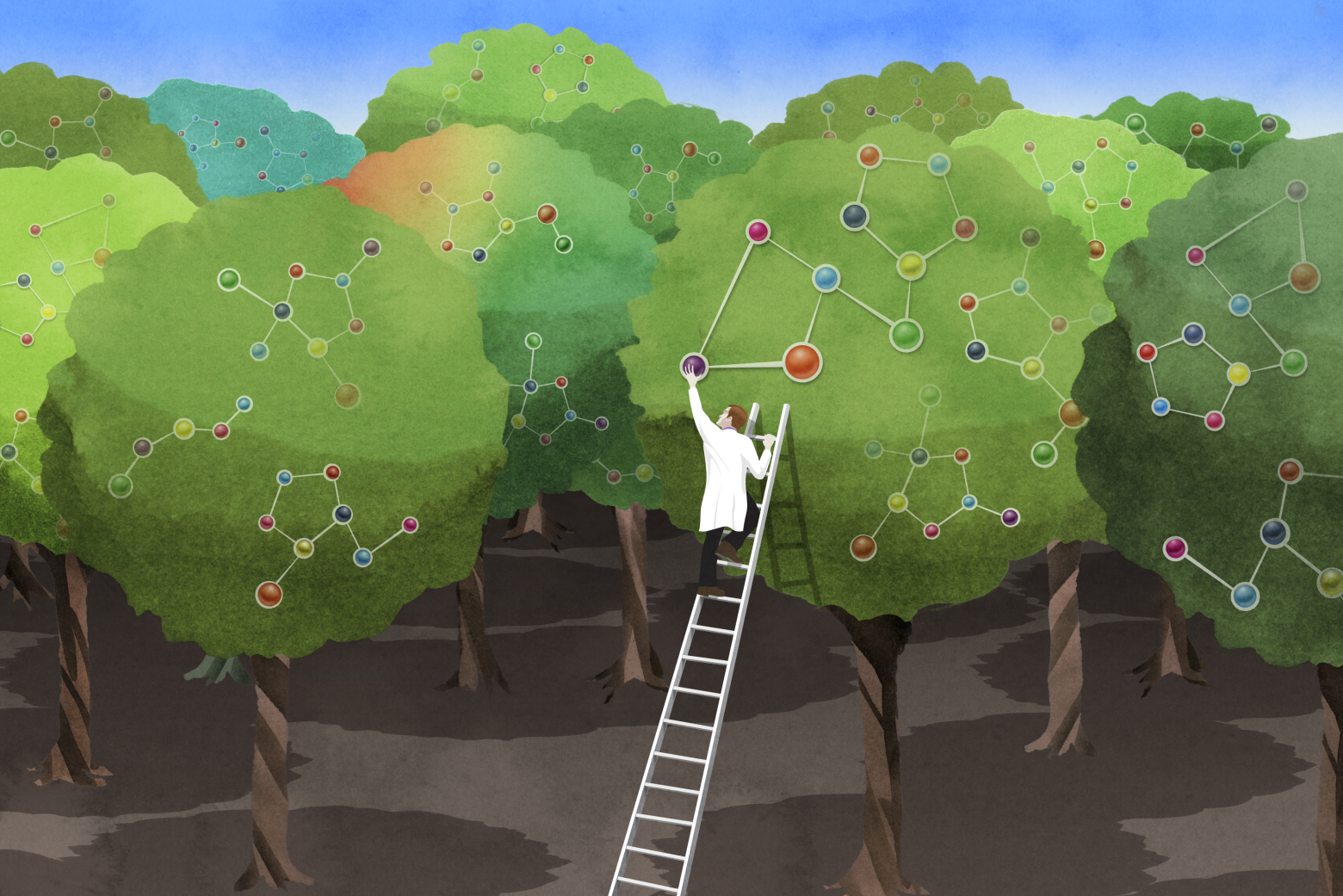
The Weng lab research on plant specialized metabolism is recently featured on the Whitehead Institute “Multimedia series: an energetic pursuit“. Click here to read the full article.

From Parkinson’s to Alzheimer’s, neurodegenerative diseases are on the rise — yet few therapies exist to combat them. That’s why the Collaborative Pairs program at CZI’s Neurodegeneration Challenge Network (NDCN) is bringing together scientists to explore new ideas and new approaches. Whitehead Institute members Jing-Ke Weng and Ankur Jain recently received support from the CZI Collaboratve Pairs program to find new ways to study and treat neurodegeneration by harnessing plant cells and the rich diversity of molecules those cells contain. Learn more here.

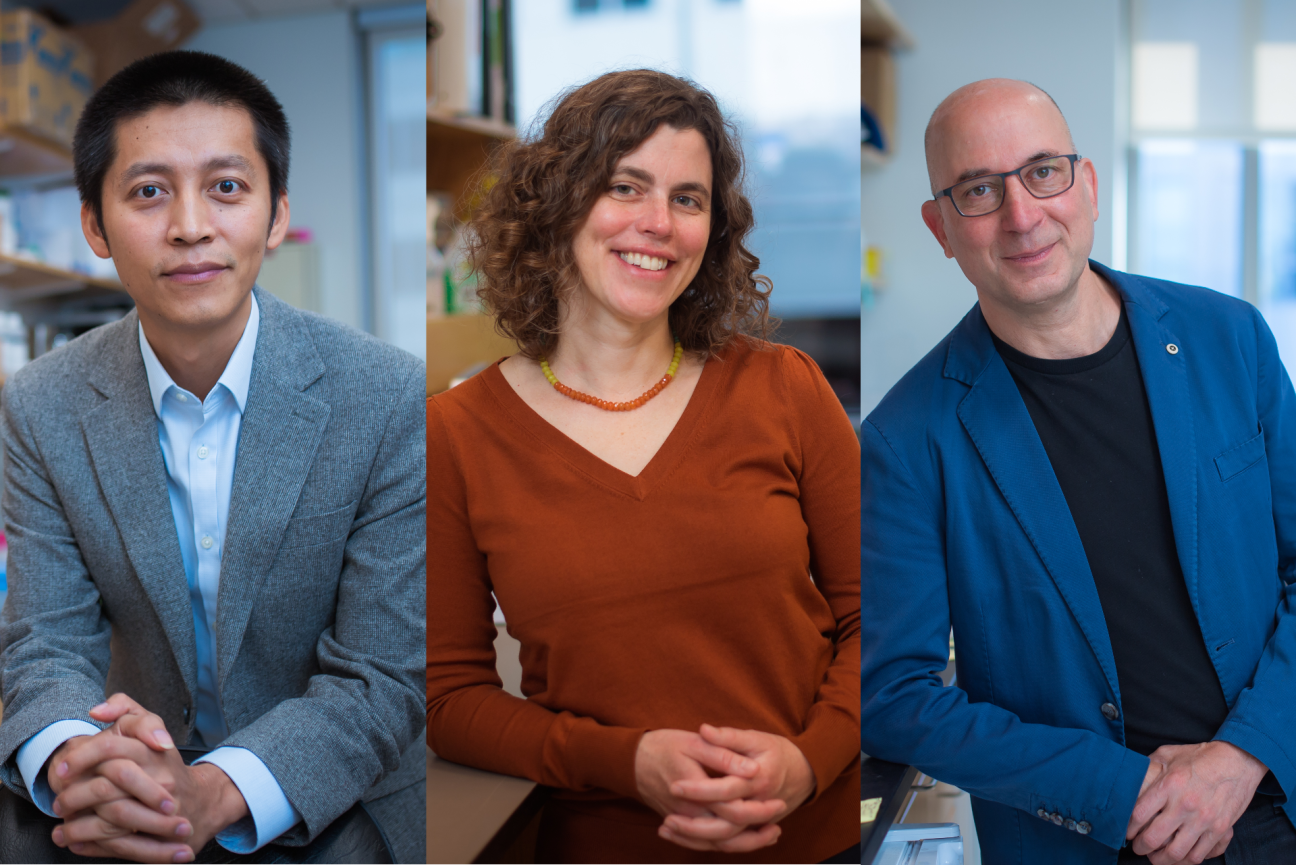
The Whitehead Institute announced today that it has received an anonymous $3 million grant supporting the Dr. Vincent J. Ryan Orphan Plant Project — research intended to bioengineer a series of under-studied food crops that will be both more nutritious and more resilient to climate change than many current crops. Ultimately, the Project aims to enhance global food security and help protect millions of people from hunger and malnutrition. The Project is jointly led by Institute Members Mary Gehring, Jonathan Weissman, and Jing-Ke Weng; and it combines their expertise in plant metabolism, genetics, and genome-editing technologies to establish a new integrated approach for precision crop engineering.
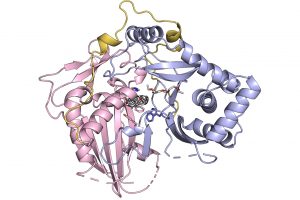
Our productive collaboration with Makoto Fujita’s lab using the crystalline sponge method to solve unknown questions in specialized metabolism is highlighted by the WI’s Tool and Method Development Series.
We are grateful to the generous gift from the Grantham Foundation to support our work to engineer plants to be more decay-resistant so that they can sequester more carbon from the atmosphere. Read the news release here.
“Almost every project I’ve been involved in has not turned out how we first envisioned it, and things that were problems have actually been signs of something interesting,” says Jason Matos, a postdoc in Jing-Ke Weng’s lab. Read an interview with Jason here.

The challenges presented by climate change are wide-ranging — and so must be science’s response. In this Director’s Dialogue, which took place on May 4, 2021, three Whitehead Institute scientists, Jing-Ke Weng, Mary Gehring and Jonathan Weissman, speak with Institute Director Ruth Lehmann about exciting opportunities for leveraging fundamental biological research to create biotechnologies that address some of climate change’s vexing effects.
They discuss plant biology research aiming to combat food insecurity by creating heartier and more diverse feed crops, new research approaches that enable scientists to sustainably synthesize therapeutic compounds from plants, and to pinpoint (and replicate) the genetic drivers of certain plants’ ability to thrive in difficult climates, and an exciting new strategy for carbon-sequestration.